

Open Air Cinema Planning Tips for Councils, Festivals, and Local Communities
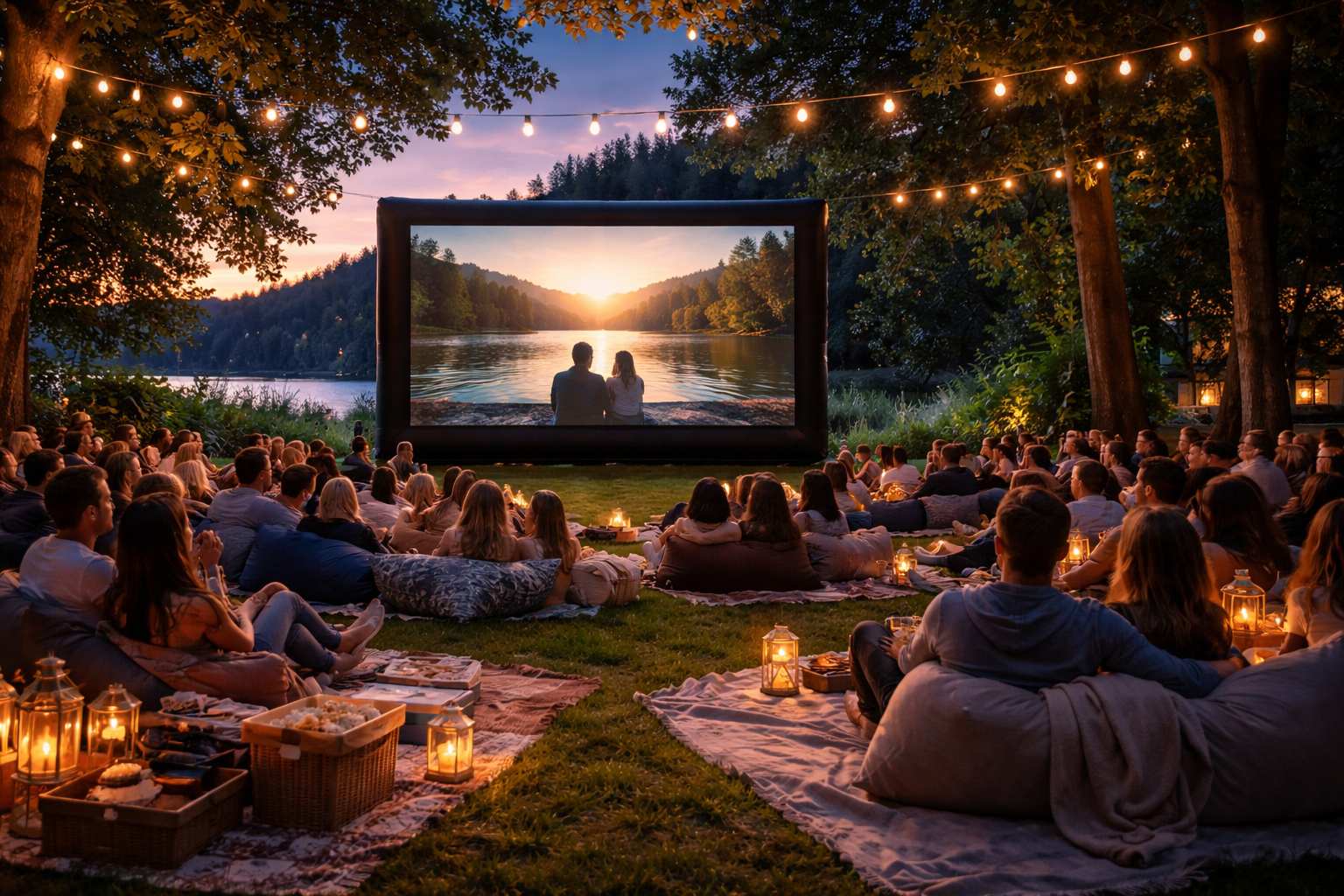
Open Air Cinema
Open Air Cinema planning tips for councils, festivals and communities across NSW, covering compliance, logistics, equipment and audience experience.
SYDNEY, NEW SOUTH WALES, AUSTRALIA, February 23, 2026 /EINPresswire.com/ -- As councils, community organisations, and event organisers across New South Wales continue to expand outdoor cultural programming, open air cinema has emerged as a prominent feature of public spaces and local festivals. Industry observers report growing interest in structured outdoor movie events as a means of supporting community engagement, tourism activity, and accessible entertainment.Recent data from local government associations and events industry bodies indicates that outdoor screenings are increasingly incorporated into seasonal programs, waterfront activations, and neighbourhood initiatives. This shift reflects changing audience preferences, with many residents seeking shared experiences in open environments rather than traditional indoor venues.
Open air cinema events now range from small neighbourhood screenings to large-scale public programs accommodating several thousand attendees. The trend has prompted councils and organisers to adopt more formal planning approaches, focusing on logistics, compliance, accessibility, and technical standards.
Planning Considerations for Public Screenings
Industry analysts note that early-stage planning plays a central role in determining the effectiveness of outdoor movie events. Site selection remains a primary factor, with organisers assessing ground conditions, sightlines, noise considerations, and proximity to residential areas.
Public parks, beaches, and civic squares are commonly selected locations, though each setting presents distinct operational challenges. Weather exposure, lighting conditions, and access to power infrastructure must be addressed in advance.
Permitting and regulatory compliance also form part of the planning process. Local councils typically require event approvals, public liability insurance, and adherence to safety guidelines. Noise management plans and crowd control measures are increasingly standard requirements for larger screenings.
Technical Infrastructure and Equipment
The growth of open air cinema has increased demand for reliable outdoor cinema equipment capable of operating in variable conditions. Projection quality, screen stability, and sound distribution are central to audience experience.
Modern outdoor cinema setups often incorporate inflatable or modular screens, high-lumen projectors, and distributed audio systems designed to minimise sound spill. Technical providers are required to account for ambient light, viewing distances, and audience density when configuring equipment.
Industry specialists observe that equipment selection now reflects a balance between portability and performance. Event organisers increasingly seek adaptable systems that can be deployed across multiple sites with consistent output.
As part of this trend, interest in open air cinema hire services has expanded, particularly among councils managing recurring seasonal programs.
Audience Experience and Accessibility
Audience comfort and accessibility have become key considerations in contemporary outdoor cinema planning. Seating arrangements, clear pathways, and facilities access are commonly incorporated into event layouts.
Accessibility standards encourage organisers to provide viewing areas for people with mobility limitations, as well as clear signage and adequate lighting in transit zones. Captioned content and volume management are also gaining attention as part of inclusive event design.
Research conducted by cultural participation bodies suggests that well-designed outdoor screenings contribute to higher attendance retention and repeat participation. Organisers increasingly evaluate audience feedback to refine future programming.
Food and beverage arrangements, waste management, and amenities also form part of experience planning. Temporary vendors, community fundraising stalls, and nearby hospitality venues are often integrated into event environments.
Programming and Community Engagement
Programming strategy plays a central role in the long-term sustainability of outdoor cinema initiatives. Councils and festival organisers frequently curate content that reflects local demographics, seasonal themes, and cultural priorities.
Family-friendly screenings, classic film nights, and locally produced content are commonly featured. Some councils collaborate with schools, libraries, and arts organisations to develop coordinated programs.
Community consultation has become a standard practice in many regions, with residents invited to contribute film suggestions and feedback. This participatory approach is viewed as a method of strengthening local engagement and attendance consistency.
The increasing use of digital platforms for promotion and ticket registration has also influenced programming decisions. Organisers can now analyse attendance patterns and demographic data to inform future schedules.
Operational Coordination and Risk Management
Operational coordination remains a central element of outdoor cinema delivery. Staffing, volunteer management, and contractor coordination require structured oversight, particularly for multi-day or multi-site programs.
Risk management frameworks typically address weather contingencies, equipment failure, medical response, and crowd movement. Contingency planning has gained prominence following recent periods of extreme weather across New South Wales.
Industry guidance recommends that organisers establish clear communication channels between technical teams, council representatives, and emergency services. Pre-event site inspections and rehearsal sessions are increasingly adopted as standard practice.
Insurance coverage and contractual clarity between organisers and service providers are also central to operational stability.
Market Developments in Sydney and New South Wales
Within the Sydney metropolitan area, demand for outdoor cinema hire Sydney services has increased alongside broader growth in public events and cultural programming. Waterfront precincts, suburban parks, and regional town centres have become regular screening locations.
Tourism authorities note that outdoor movie events are frequently incorporated into destination marketing strategies, particularly in coastal and regional communities. These initiatives are designed to extend visitor stays and support local businesses.
Search data analysis indicates sustained growth in queries related to outdoor movie hire near me, reflecting increased public awareness of local screening options.
Event industry researchers attribute this pattern to changing leisure habits, with audiences seeking low-cost, socially oriented activities in open settings.
Role of Service Providers
Service providers specialising in outdoor cinema logistics and equipment have adapted to the evolving requirements of public-sector and community clients. Offerings increasingly include site assessment, compliance support, and technical coordination alongside equipment supply.
Outdoor Movies Australia, based in Sydney, operates within this segment, providing inflatable screen systems and projection infrastructure for a range of event scales. The organisation reports that client enquiries have increasingly focused on multi-event programs and long-term partnerships rather than single screenings.
According to the company, demand reflects a preference for consistent service standards across multiple locations and seasons. Projects frequently involve collaboration with council event teams and community organisations.
The company’s operations include the provision of outdoor cinema equipment and technical support for public and private screenings across Australia.
Future Outlook
Industry analysts anticipate continued growth in open air cinema programming as councils and cultural organisations expand place-based activation strategies. Ongoing investment in public spaces, combined with advances in portable audiovisual technology, is expected to support further adoption.
Sustainability considerations are also influencing planning approaches, with organisers exploring energy-efficient equipment, waste reduction measures, and environmentally sensitive site use.
As community expectations evolve, outdoor cinema events are likely to place greater emphasis on accessibility, data-informed programming, and operational resilience.
The development of standardised planning frameworks and professional support networks is expected to further integrate open air cinema into Australia’s local events landscape.
Media Contact
Outdoor Movies Australia
Phone: (+61) 1800-707-973
Email: info@outdoormovies.com.au
Website: https://www.outdoormovies.com.au
Outdoor Movies Australia
Outdoor Movies Australia
+61 1800-707-973
info@outdoormovies.com.au
Visit us on social media:
Facebook
YouTube
X
Legal Disclaimer:
EIN Presswire provides this news content "as is" without warranty of any kind. We do not accept any responsibility or liability for the accuracy, content, images, videos, licenses, completeness, legality, or reliability of the information contained in this article. If you have any complaints or copyright issues related to this article, kindly contact the author above.
